How to Choose High-Quality Ube Powder: A Practical Guide
From creamy purple lattes and velvety gelato to vibrant brioches and cookies, ube (purple yam) has captured the imagination of food lovers, bakers, and drink creators around the world.
If you are looking into how to choose ube powder that delivers authentic flavor, vibrant color, and consistent results, this guide walks you through origins, quality standards, and simple tests you can run in your kitchen.
Key Takeaways
- Check the Ingredients First: Look for 100% pure purple yam with no added starches, sugars, or artificial dyes.
- Look at the Processing Method: Gentle, low-temperature dehydration preserves the plant’s natural purple antioxidants and delicate aroma. High-heat drying scorches the powder and fades the color.
- Match the Texture: Ultra-fine powder (80–120 mesh) dissolves smoothly in beverages and creams, while standard fine (60–80 mesh) works well in baked doughs and mixes.
- Evaluate the Aroma: High-quality ube smells mild, earthy, and lightly nutty. A strong, perfumed scent usually means artificial flavoring was added.
- Test Before You Commit: Simple water and baking tests reveal right away whether a powder contains synthetic dyes or holds up to heat.
Where Does Ube Come From? Understanding Origins
Purple yam thrives in warm tropical climates with deep, well-draining soil and plenty of sunlight. Because climate, soil composition, and processing methods vary from place to place, origin plays a big role in the color, aroma, and consistency of the powder.
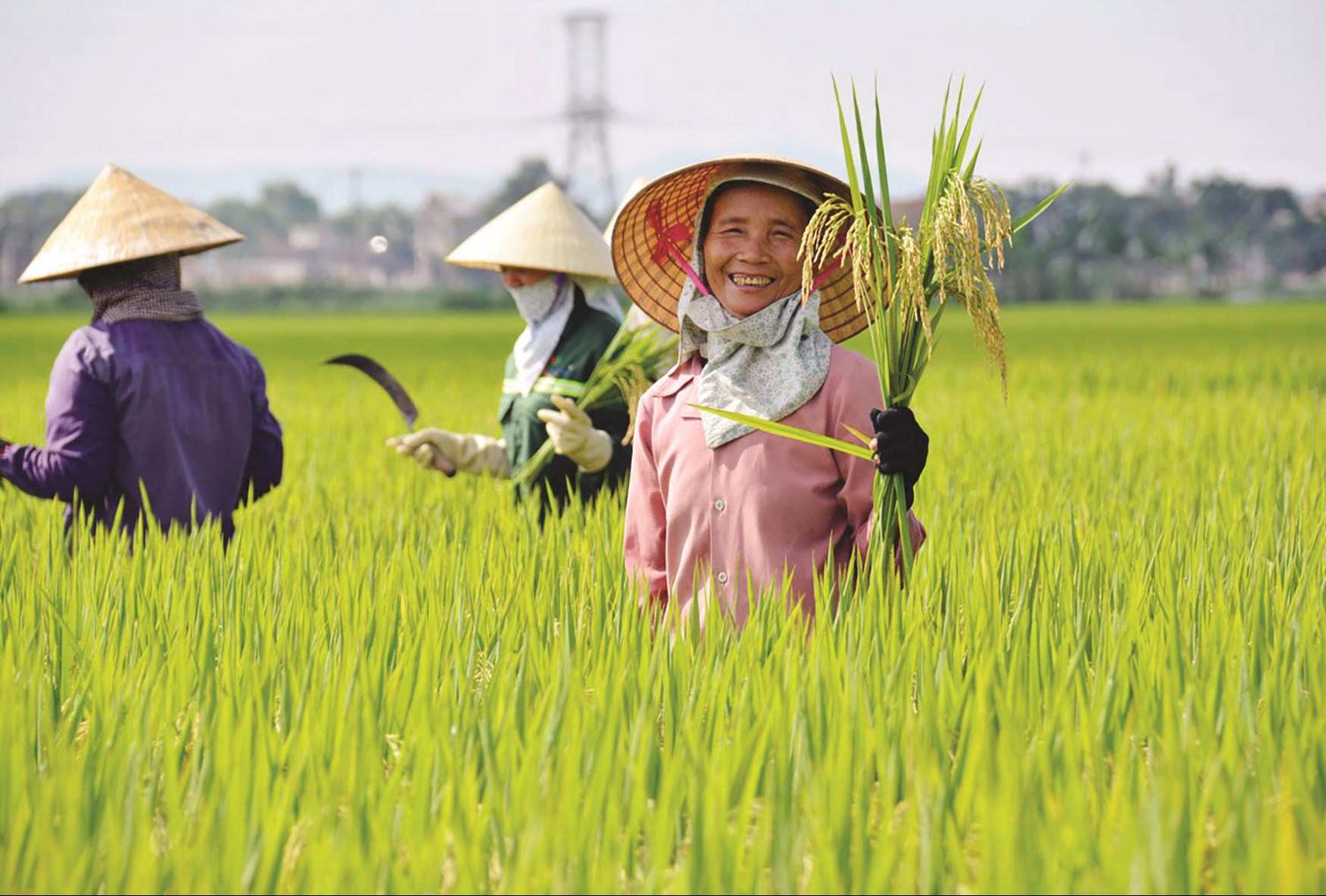
- Vietnam: Grown across alluvial plains and mountainous lands. Modern low-temperature drying facilities produce an ultra-fine powder with a vivid royal purple tone, balanced aroma, and reliable year-round availability.

-
The Philippines: The traditional cultural home of ube with Ube Halaya (ube jam). Renowned for its rich flavor and heritage, though most harvests are turned into fresh mash or frozen puree for local treats, making pure dried powder harder to find in large batches.

- Other Regional Producers: Large-scale agricultural operations focused on bulk volume. These can be budget-friendly, but the color and flavor intensity often vary widely between batches.
Why Origin and Terroir Matter
Tuber quality starts in the soil. Purple yams grown in mineral-rich, balanced soils develop thicker cell structures and higher concentrations of anthocyanins - the natural antioxidants responsible for ube's violet color. Furthermore, sourcing from regions with organized contract farming networks ensures consistent root maturity at harvest, preventing the starchy dilution typical of prematurely harvested crops.
Five Signs of High-Quality Ube Powder
When opening a bag of ube powder, look for these five key markers to tell if you have a premium product:
1. Natural Purple Color
High-quality ube gets its striking color from anthocyanins - the same natural antioxidants found in blueberries.
- Great Quality: A uniform, soft violet-to-purple powder that turns into a rich, deep purple once mixed with water or milk.
- Low Quality: A dull grayish-brown or faded pink tint, which usually means the yam was overheated during drying or exposed to air for too long.
2. Particle Fineness (Mesh Size)
How finely the yam is milled determines how smoothly it blends:
- Fine & Silky (80 - 120 Mesh): Blends easily into iced lattes, milk teas, frostings, and ice creams without leaving any gritty powder at the bottom of your cup.
- Slightly Coarser (60 - 80 Mesh): Works great for cookie doughs, breads, pancakes, and dry mixes where the powder has plenty of time to absorb moisture.
3. Gentle Dehydration
Heat can make or break ube powder.
- Low-Temperature Drying: Slowly draws out moisture while keeping the yam's cell structure, natural purple tone, and sweet scent intact.
- High-Heat Drying: Cooks the yam too fast, scorching the natural sugars and leaving behind a bitter, burnt aftertaste and a muddy brown color.
4. Low Moisture Content
Pure ube powder should always feel dry, light, and free-flowing. High-quality powder stays below 7% moisture. If the powder arrives clumpy or feels slightly damp, it has absorbed moisture from the air and will lose its fresh flavor quickly.
5. Clean, Subtle Scent
Real ube has a gentle aroma - warm, earthy, nutty, and lightly sweet with natural vanilla notes. If you open a bag and get hit with an intense, candy-like perfume, the powder likely contains synthetic flavor enhancers like artificial vanillin.

Two Easy Quality Tests You Can Do Anywhere
You do not need a lab to check if your ube powder is pure. These two simple tests take just a few minutes:
The Warm Water Test
- Stir one teaspoon of ube powder into a small glass of warm water (50'C).
- Pure Powder: Dissolves into a cloudy, natural purple liquid. Over a few minutes, fine root starches will gently settle at the bottom.
- Artificial Powder: Turns into a neon, glowing magenta liquid that stays bright and see-through, showing that synthetic food dyes were added.
The Heat Test
- Add a spoonful of ube powder to a simple cookie or cake batter and bake it at 170'C.
- Good Powder: Keeps a rich, appetizing purple color inside the baked treat.
- Poor Powder: Turns dull olive-green or brownish-gray once out of the oven.
4. How to Store Ube Powder to Keep It Fresh
Because natural ube pigments are sensitive to light and moisture, good storage keeps your powder fresh and vibrant for up to 18–24 months:
- Keep It Airtight: Use sealed foil pouches or dark, airtight containers that block light and air.
- Store in a Cool, Dry Place: Keep your pantry or storage area below 25'C away from stoves, ovens, and direct sunlight.
- Seal Immediately: Always close the bag tightly right after scooping to keep humidity out.
Discover Pure Ube Powder with Viet Haus

At Viet Haus, we believe the best food starts with honest, pure ingredients.
Our ube powder is made from 100% genuine purple yams (Dioscorea alata) cultivated in Vietnam's fertile alluvial plains and mountainous lands. We use gentle, low-temperature dehydration and fine milling to protect the yam's natural purple color, delicate aroma, and smooth texture - giving you a clean, reliable ingredient with zero fillers, no added sugars, and no artificial colors.
Whether you are crafting a new signature drink, expanding your bakery menu, or creating packaged treats, we provide pure ube you can trust.
Ready to try authentic ube powder?
- Email: vh@viet-haus.com
- Website: viethausorganic.com
VIET HAUS – BETTER FOOD, BETTER LIVING