Organic Forest Cinnamon from Vietnam – Origin, Quality & the Journey
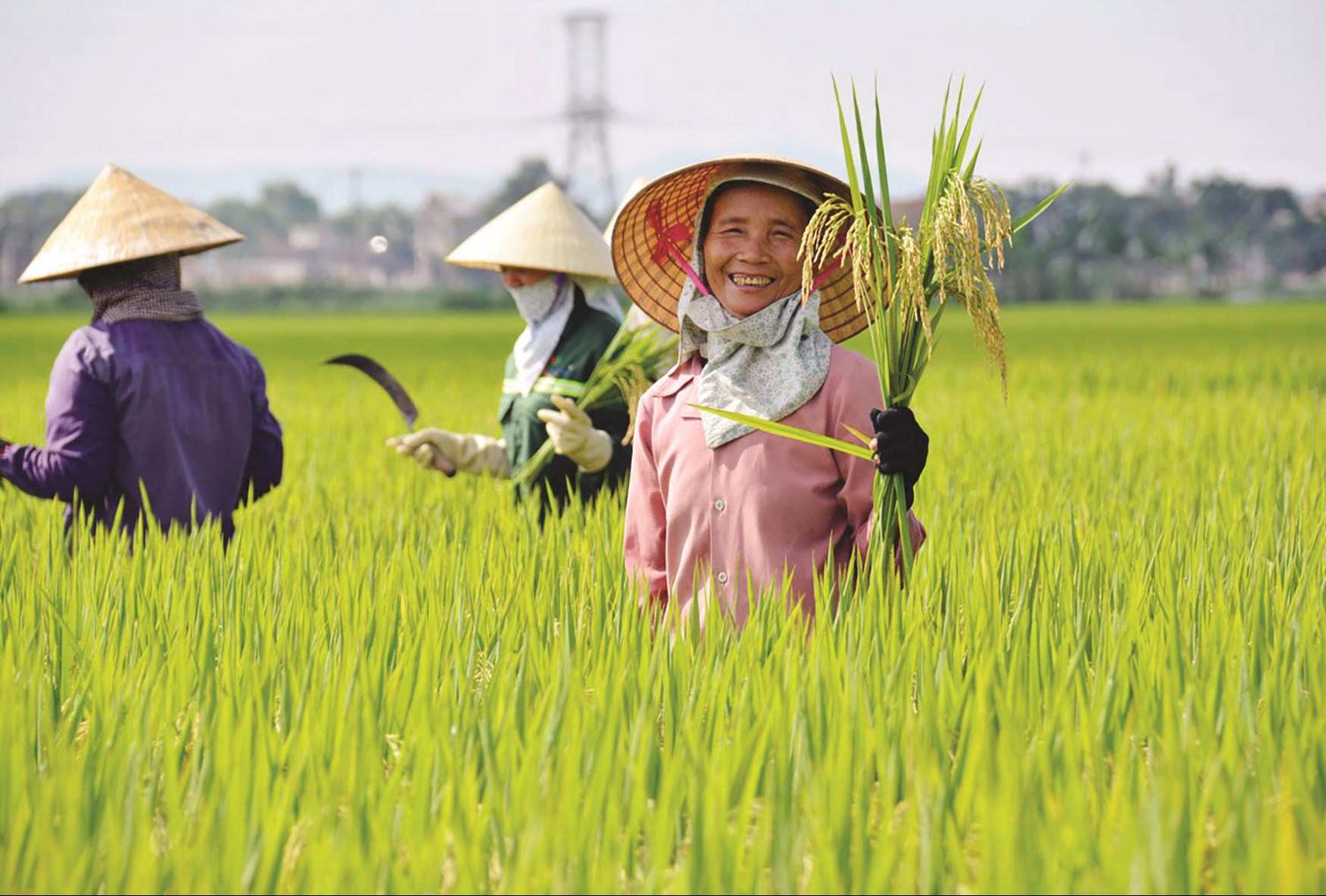
Organic Cassia Cinnamon is grown in remote mountainous regions in North Vietnam, where farmers hand-harvest, sun-dry, and prepare each bark with years of care. Behind every cinnamon stick is a simple story of patience, livelihood, and the natural flavor shaped by Vietnam’s mountain soils.
The Origin Of Vietnam’s Organic Cinnamon
Hidden among the high hills of Northeast Vietnam are long-standing cinnamon forests. Here, where morning mist settles quietly between the slopes and the warm scent of spice drifts through the air. Cinnamon is more than a plant. It is a way of life - a livelihood that has anchored mountain communities for generations.
Cinnamon has existed in Vietnam for centuries. It is believed to have been introduced by Middle Eastern traders along ancient trade routes. Over time, the tree rooted itself deeply into local culture and economy.
Today, it remains the livelihood of six ethnic groups: Tay, Nung, Mong, Dao, Kinh, and Hoa. Most families own only a few hectares of cinnamon, but they care for each tree with steady, quiet attention. This makes their cinnamon a treasured ingredient and a defining feature of Vietnam’s spice culture.

Nature’s Own Growing Conditions
The quality of our cinnamon is shaped by the land where it grows. Nestled in a high-altitude, wind-catching terrain, the region features a unique sub-tropical monsoon climate, where limestone peaks meet rich mountain soil. It is a landscape perfectly designed by nature for growing intense, aromatic spices.

With nearly 80% forest coverage, this is one of the most densely forested areas in Vietnam. Because the forests are located far from residential areas and completely free of industrial zones, the cinnamon trees grow in a clean, untouched environment. This is what guarantees its natural organic purity.
Our forest cinnamon lives within a biodiverse canopy alongside star anise, pine, bananas, and other timber trees. This rich ecosystem keeps the soil healthy and full of natural nutrients. Down on the forest floor, a thick layer of wild ferns grows everywhere. These ferns act as a natural biological filter, absorbing and trapping heavy metals from the earth, keeping the soil pure for the cinnamon roots.

The Harvest Cycle of Vietnam’s Organic Forest Cinnamon
Vietnam’s cinnamon harvest follows the rhythm of the mountains. Farmers wait about 7-10 years for the bark to reach peak essential oil content, then begin peeling when the weather turns warm and dry.
There are two main harvest seasons each year.
- March to May.
- August to November.
A good season provides enough bark to support a family through the year. A difficult season teaches patience. But in both cases, cinnamon remains the steady companion of mountain households - shaping their work, their routines, and their hopes for the next harvest.
From Tree to Trade: The Processing Journey
The journey from fresh bark to export-ready cinnamon follows a series of simple, careful steps.
Harvesting. Farmers peel the bark early in the morning, when the tree is moist and the air is cool. The bark is then carried home in bundles.


Sun-drying. Fresh bark curls naturally under the sun. This step deepens its aroma and darkens its color.

Scraping and shaping. Farmers use a small metal tool to scrape the surface, creating a smooth, clean finish. Others prefer the bark split into thin pieces that curl into “cigarette” cinnamon.

Cutting and sorting. Cinnamon is shaped into sticks, broken pieces, square cuts, or powder.

Steam treatment. Before packing, the cinnamon is steam-sterilized to ensure food safety while protecting its natural oils.

These steps are simple, but each one relies on skill and timing - qualities that farmers pass down from one generation to the next.
Why Organic Cinnamon Matters to Smallholder Farmers
Cinnamon is not produced in large plantations. It is grown by thousands of small households, each depending on a few hectares that have been passed down through generations.
Meet Farmer Huyen:
Mrs. Huyen, a Nung ethnic farmer, has carried on her family’s cinnamon legacy for over 15 years.
She grows her trees naturally, using only traditional hand tools to protect the forest. By harvesting selectively, she earns 30-40 million VND ($1,200 - $1,600) annually to support her family of six.
For these farmers, cinnamon is more than income. It is a buffer against difficult years. It is a reason to stay in their villages instead of migrating for work. And it is a way to preserve forests through selective harvesting and replanting.
Work With Viet Haus – Your Trusted Organic Ingredient Partner
Viet Haus works with farmers, cooperatives, and certified processors across Vietnam. We ensure traceable sourcing, consistent quality, and responsible production grounded in organic principles.
If you are seeking a trusted partner for organic cassia cinnamon: vh@viet-haus.com
VIET HAUS - BETTER FOOD BETTER LIVING